The 8 Best Places to Live in Florida for Young Professionals
- Local Editor:Local Editor: Lisa Sinatra
- Category: City Living Guide
Share



Florida offers a variety of cities and regions that can be appealing to young professionals, depending on personal preferences, career opportunities, and lifestyle choices. The following eight places are great places for young professionals to live and work. They have the right mix of a young population, good amenities and good employment opportunities, and they remain affordable places (for the most part) to buy or rent homes.
For this helpful list of the best places to live in Florida for young professionals, we have ranked cities based on a number of criteria and included important statistics for each including:
- Population
- Median Age
- Median Home Price
- Median Income
- Cost of Living
- Unemployment Rate
- Crime rate
We have listed the cities below from lowest to highest cost of living. As described at the outset, the rankings and scores are based on a larger set of characteristics that we have reviewed.

Related article
10 Key Things to Know About Living in Florida. Embracing the Sunshine State
In this comprehensive guide, we delve into 10 key aspects of living in Florida. These include the state’s climate, its diverse natural and cultural landscapes, economic considerations (like the lack of state income tax), the reality of hurricanes and weather-related concerns, and the particularities of its real estate market. We also explore the outdoor lifestyle…
Table of Contents:
1. Palm Bay
HOMEiA Score: 85/100
- Cost of Living: 11% below the U.S. national average
- Home price to income ratio: $155,200/$51,408 = 3.02 (buying homes is affordable)
- Income to rent ratio: $51,408/$12,708 = 4.05 (renting homes is affordable)
- Population: 103,190 | Rank Last Year: #7
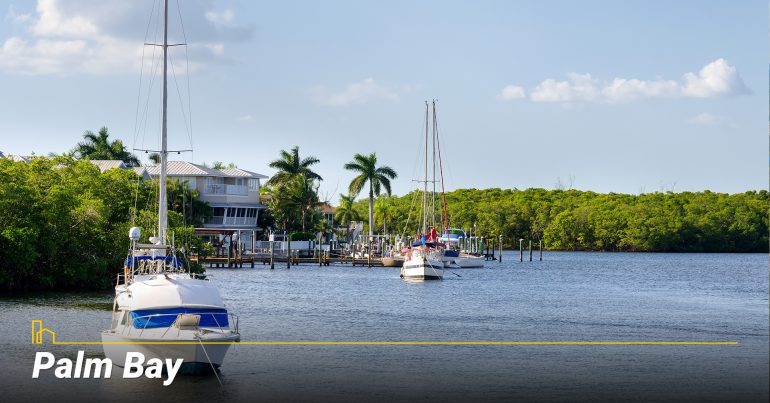
Palm Bay is located in central Florida on the east coast. The population in Palm Bay grew by 11.1% from April 2010 through July 2019 (U.S. Census), above the overall U.S. rate of 6.3% but below the Florida rate of 14.2%.
The population in Palm Bay is young, with 22.4% of the population under 18 and only 18.5% over 65 years old.
The median household income in Palm Bay is $51,408, and the median home price is $155,200 (2019 estimates). The unemployment rate is 4.3% (May 2021), which is below both the U.S. national rate of 5.8% and the Florida rate of 4.9%.
There are many options for higher education in the Palm Bay area, including Eastern Florida State College.
Palm Bay is home to Castaway Point Park, Turkey Creek Sanctuary and Andretti Thrill Park. It is just over an hour away from downtown Orlando and many theme parks.
Related article
Pros and Cons of Living in Florida in 2025
If you’ve decided to make Florida your new home, you’re in luck – it’s a big and varied place, with something for all ages, family dynamics and budget. Continue reading as we dive into some notable Pros and Cons about the state itself, the top cities to live in across a variety of categories, and…
2. Jacksonville
HOMEiA Score: 87/100
- Cost of Living: 7% below the U.S. national average
- Home price to income ratio: $279,696/$54,701 = 5.11 (buying homes is a little affordable)
- Income to rent ratio: $54,701/$12,780 = 4.28 (renting homes is affordable)
- Population: 911,507 | Rank Last Year: #4
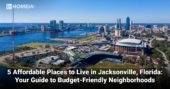
Jacksonville is located on the coast of northeast Florida. The population in Jacksonville grew by 10.9% from April 2010 through July 2019 (U.S. Census), above the overall U.S. rate of 6.3%, though below the Florida rate of 14.2%.
The population in Jacksonville is young, with 22.9% of the population under 18 and only 13.4% over 65 years old.
The median household income in Jacksonville is $54,701, and the median home price is $279,696 (Feb. 2022 estimates). The unemployment rate is 4.2% (May 2021), which is below both the U.S. national rate of 5.8% and the Florida rate of 4.9%.
There are many options for higher education in the Jacksonville area, including the University of North Florida.
Nature trails, shopping districts, beaches and professional sports games are just some of the activities available to those living in Jacksonville.
Recommended for you


3. Temple Terrace
HOMEiA Score: 88/100
- Cost of Living: 4% below the U.S. national average
- Home price to income ratio: $228,900/$63,018 = 3.63 (buying homes is affordable)
- Income to rent ratio: $63,018/$13,716 = 4.59 (renting homes is affordable)
- Population: 26,639 | Rank Last Year: #2
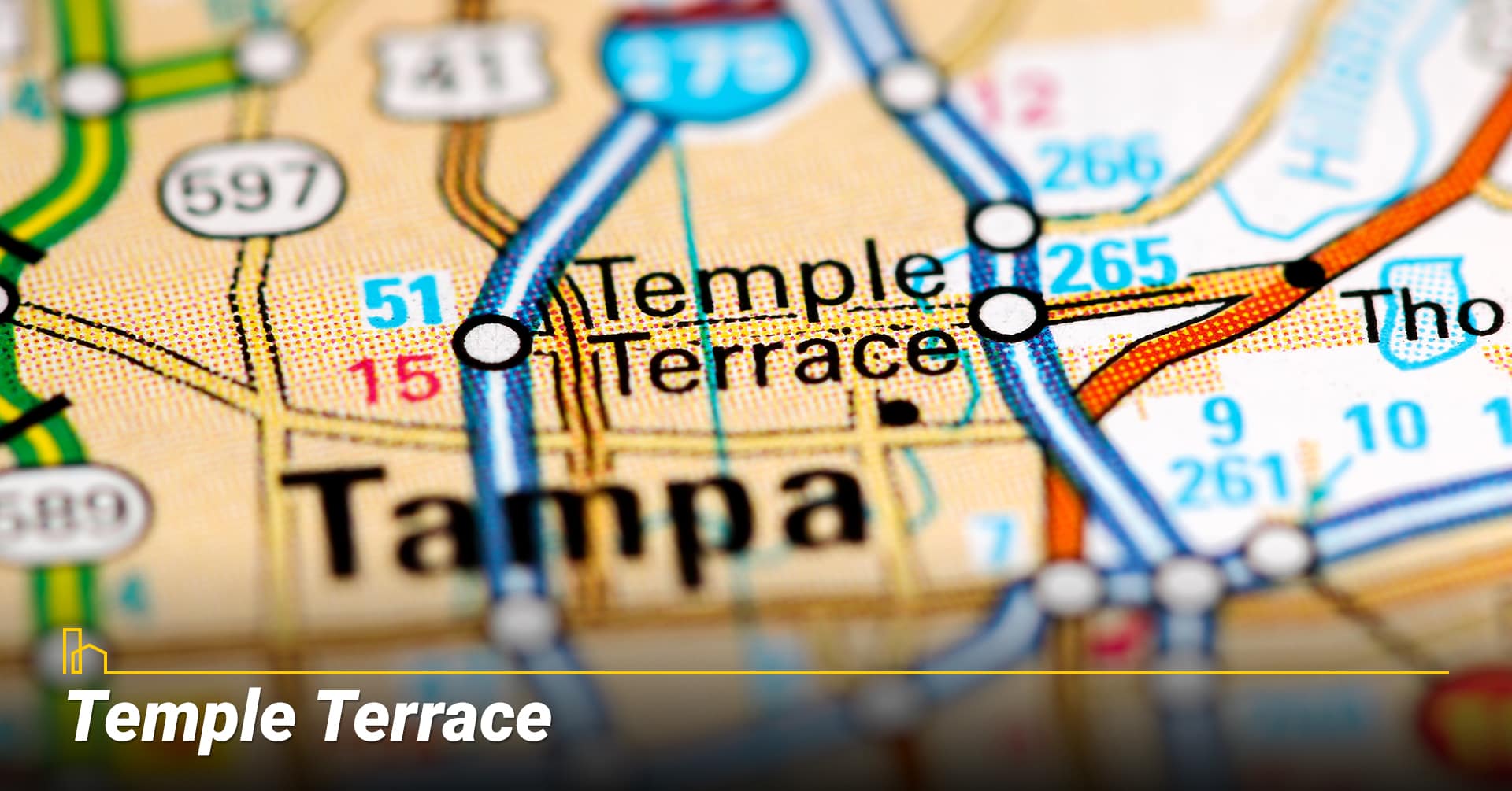
Temple Terrace is located in central Florida, just north of Tampa. The population in Temple Terrace grew by 9.1% from April 2010 through July 2019 (U.S. Census), above the overall U.S. rate of 6.3%, though below the Florida rate of 14.2%.
The population in Temple Terrace is relatively young, with 19.3% of the population under 18 and only 12.8% over 65 years old.
The median household income in Temple Terrace is $63,018, and the median home price is $228,900 (2019 estimates). The unemployment rate is 4.6% (May 2021), which is below the U.S. national rate of 5.8% and the Florida rate of 4.9%.
There are many options for higher education in the Temple Terrace area, including the University of South Florida.
Temple Terrace is a beautiful haven for nature lovers. Riverhills Park, Lettuce Lake Park and Eureka Springs Park are all examples of places to visit for trails and wonderful views.
Related article
10 Most Affordable Places to Live in Florida: Discovering Florida’s Hidden Gems
Florida, known for its sunny beaches, vibrant culture and diverse communities, is a dream destination for many. But living in this paradise doesn’t have to break the bank. In this article, we’ll explore some of the most affordable places in Florida that offer a great quality of life without the hefty price tag…
4. St. Petersburg
HOMEiA Score: 88/100
- Cost of Living: 1% below the U.S. national average
- Home price to income ratio: $284,100/$45,483 = 6.24 (buying homes is expensive)
- Income to rent ratio: $45,483/$13,392 = 3.40 (renting homes is affordable)
- Population: 265,351 | Rank Last Year: #5
St. Petersburg is located on the west coast near Tampa Bay. The population in St. Petersburg grew by 8.2% from April 2010 through July 2019 (U.S. Census), above the overall U.S. rate of 6.3%, but below the Florida rate of 14.2%. The population in St. Petersburg is balanced between young and old, with 16.9% of the population under 18 and 18.6% over 65 years old.
The median household income in St. Petersburg is $45,483, and the median home price is $284,100 (2021 estimates). The unemployment rate in St. Petersburg is 4.6% (May 2021), which is below both the U.S. national rate of 5.8% and the Florida rate of 4.9%.
There are many options for higher education in the St. Petersburg area, including the University of South Florida.
St. Petersburg is home to the Salvador Dalí Museum and the Fred Marquis Pinellas Nature Trail, and it is minutes away from Clearwater Beach.
Related article
The Pros and Cons of Living in Parrish, Florida
This town is a place for people of all ages to thrive. It caters excellently to families looking for a safe environment with good schools and to retirees searching for a calm yet engaging community to enjoy their years of leisure…
5. Tampa
HOMEiA Score: 91/100
- Cost of Living: On par with the U.S. national average
- Home price to income ratio: $238,900/$53,833 = 4.44 (buying homes is slightly expensive)
- Income to rent ratio: $53,833/$13,572 = 3.97 (renting homes is affordable)
- Population: 399,700 | Rank Last Year: #3
Tampa is located on the mid-west coast of Florida. The population in Tampa grew by 18.9% from April 2010 through July 2019 (U.S. Census), above both the overall U.S. rate of 6.3% and the Florida rate of 14.2%. The population in Tampa is young, with 21.4% of the population under 18 and only 12.3% over 65 years old.
The median household income in Tampa is $53,833, and the median home price is $238,900 (2019 estimates). The unemployment rate is 4.6% (May 2021), which is below the U.S. national rate of 5.8% and the Florida rate of 4.9%.
There are many options for higher education in the Tampa area, including the University of South Florida.
There are many attractions for those living in Tampa. Busch Gardens Tampa Bay, the Florida Aquarium, ZooTampa at Lowry Park, and the Tampa Museum of Art are prime examples.
The nightlife in Tampa is like no other, with plenty of bars and clubs that will keep you busy all night long. Check out the historic Ybor City for a fun night out with friends. Additionally, Tampa is home to many annual festivals, including the Gasparilla Pirate Festival. Watch tons of ships sail to shore with hundreds of pirates onboard and attend the parade. Make sure to catch some beads!
Related article
Areas that Make the Cost of Living More Affordable in Florida
Join us as we uncover the secrets to living and thriving in Florida, all while keeping an eye on your financial well-being. Let’s embark on this journey to understand the actual cost of living in the Sunshine State and how to make the most of every dollar spent…
6. Ocoee
HOMEiA Score: 93/100
- Cost of Living: 6% above the U.S. national average
- Home price to income ratio: $242,500/$75,329 = 3.22 (buying homes is affordable)
- Income to rent ratio: $75,329/$17,292 = 4.36 (renting homes is affordable)
- Population: 48,263 | Rank Last Year: #6
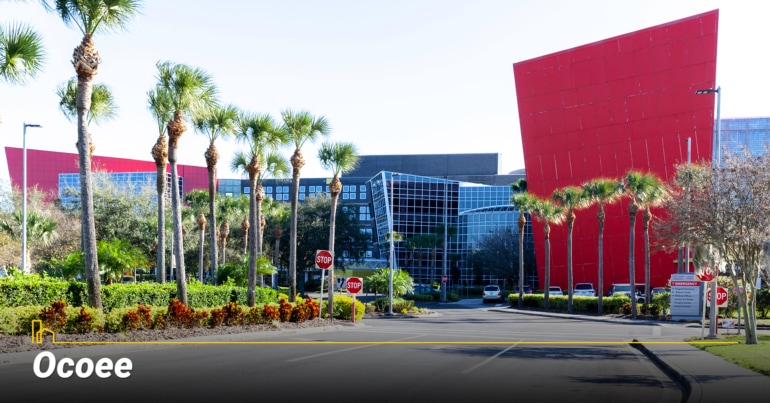
Ocoee is located in central Florida, just west of Orlando. The population in Ocoee grew by 35.1% from April 2010 through July 2019 (U.S. Census), significantly above the overall U.S. rate of 6.3% as well as the Florida rate of 14.2%. The population in Ocoee is young, with 27.0% of the population under 18 and only 9.2% over 65 years old.
The median household income in Ocoee is $75,329, and the median home price is $242,500 (2019 estimates). The unemployment rate in Ocoee is 5.4% (May 2021), which is below the U.S. national rate of 5.8% but above the Florida rate of 4.9%.
There are many options for higher education in the Ocoee area, including the University of Central Florida.
Ocoee is a great city minutes away from downtown Orlando and a short drive to the theme parks. There are plenty of things to do in the town, including visiting the historic downtown Ocoee area and fishing on Starke Lake.
Related article
The Pros and Cons of Living in Ave Maria, Florida (updated)
Ave Maria offers more than a striking basilica and manicured streets — it’s a master-planned, faith-centered community with strong family values, modern amenities, and rapid growth in inland Southwest Florida. This guide explores the benefits and trade-offs of living near Naples, including lifestyle fit, remoteness, climate, safety, and evolving costs…
7. Oviedo
HOMEiA Score: 94/100
- Cost of Living: 15% above the U.S. national average
- Home price to income ratio: $289,200/$95,935 = 3.01 (buying homes is affordable)
- Income to rent ratio: $95,935/$19,548 = 4.91 (renting homes is affordable)
- Population: 41,860 | Rank Last Year: #1
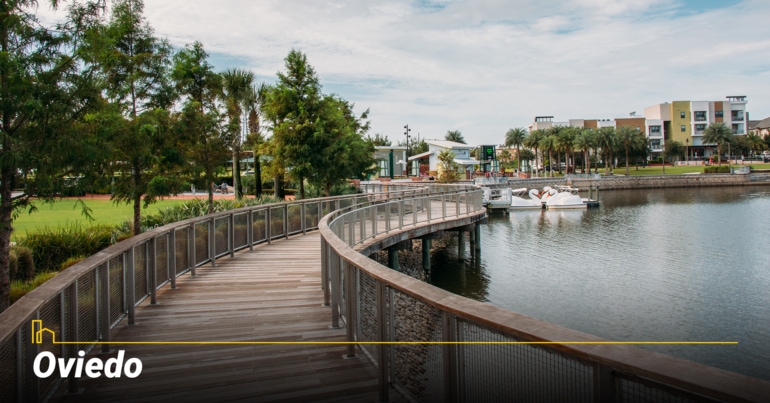
Oviedo is located in central Florida, northeast of Orlando. The population in Oviedo grew by 25.1% from April 2010 through July 2019 (U.S. Census), significantly above the overall U.S. rate of 6.3% as well as the Florida rate of 14.2%. The population in Oviedo is young, with 25.9% of the population under 18 and only 10.7% over 65.
The median household income in Oviedo is $95,935, and the median home price is $289,000 (2019 estimates). The unemployment rate is 5.4% (May 2021), which is below the U.S. national rate of 5.8% but above the Florida rate of 4.9%.
There are many options for higher education in the Oviedo area, including the University of Central Florida.
Oviedo is a short drive away from Orlando and the theme park area. Lake Jesup, Black Hammock Wilderness Area and Spring Hammock Preserve are all nearby for relaxing on the water or exploring nature trails.
Recommended for you
8. Doral
HOMEiA Score: 95/100
- Cost of Living: 23% above the U.S. national average
- Home price to income ratio: $394,000/$77,493 = 5.08 (buying homes is expensive)
- Income to rent ratio: $77,493/$23,892 = 3.24 (renting homes is slightly expensive)
- Population: 65,741 | Rank Last Year: #8
Doral is located in south Florida northwest of Miami. The population in Doral grew by 43.8% from April 2010 through July 2019 (U.S. Census), significantly above the overall U.S. rate of 6.3% as well as the Florida rate of 14.2%. The population in Doral is very young, with 26.5% of the population under 18 and only 7.2% over 65 years old.
The median household income in Doral is $77,493, and the median home price is $394,000 (2019 estimates). The unemployment rate is 7.1% (May 2021), which is above both the U.S. national rate of 5.8% and the Florida rate of 4.9%.
There are many options for higher education in the Doral area, including the University of Miami.
Doral is a short drive away from the larger city of Miami and a short distance from the beach. There are plenty of activities for both kids and adults to enjoy. Doral is also known for its casinos.
Related article
Affordable Places to Live in Naples, Florida
In this article, we aim to paint a comprehensive picture of Naples, highlighting its affordable neighborhoods and showcasing how this city beautifully blends cost-effective living with a high standard of life…
FAQs about Best Places to Live in Florida for Young Professionals
1. What factors make a particular Florida city attractive for young professionals?
The article prioritizes Florida metro markets with a younger median age, solid employment base, reasonable cost of living, and popular amenities such as nightlife, culture, and outdoor recreation. Metrics like median income, unemployment and crime rates, and housing costs help distinguish places that support early-career growth rather than just tourism or retirement.
2. How do cost of living and housing compare among the eight cities?
The list is ordered from lowest to highest cost of living, highlighting that some inland or mid-sized metros offer noticeably cheaper rents and home prices than coastal hotspots like Miami and Fort Lauderdale. Young professionals often find the best value where incomes are competitive, but median housing costs have not yet reached South Florida or premium beach-town levels.
3. Which cities offer the strongest job markets for early-career professionals?
Orlando, Tampa, and Jacksonville stand out for diversified economies, most notably, tourism and tech in Orlando, finance and healthcare in Tampa, and logistics and corporate services in Jacksonville. Miami and Fort Lauderdale add opportunities in finance, media, the arts and international business, and are particularly attractive to bilingual professionals and those in globally oriented fields.
4. Where do you get the best mix of nightlife, culture, and outdoor lifestyle?
Miami/Ft. Lauderdale and Tampa offer the most abundant mix of nightlife, dining, and pro sports, while Orlando and St. Petersburg blend arts districts, live music, and easiest access to beaches or theme parks. Smaller or more relaxed metros like Gainesville, Tallahassee, or Sarasota/Bradenton lean into college-town energy or arts and wellness scenes rather than urban club culture.
5. Which of these cities are more budget-friendly for renters and first-time buyers?
Compared to Miami and coastal South Florida, markets like Jacksonville, Gainesville, Tallahassee generally offer highest value in terms of lower median home prices and more attainable rents. Orlando and Tampa are next-tier options for budget friendliness. For many young professionals, starting in one of these “highest value” metros provides a better shot at saving, investing, or buying a starter home within a few years.
6. How should remote workers or digital professionals think about choosing a city to live in?
Remote workers often prioritize neighborhoods with good coworking spaces, walkability, and abundant highest-speed internet, which cities like St. Petersburg, Tampa, Orlando, and parts of Miami deliver. For remote and digital employees, St. Petersburg and some Orlando/Tampa neighborhoods stand out for combining a relaxed vibe, artsy districts, and lower relative housing costs compared to Miami’s urban core and Southwest Florida’s luxury beach towns.
7. What is a practical way for a young professional to narrow these eight cities down to one or two?
A useful approach is to rank the cities on four pillars: career fit (industry depth), housing costs, lifestyle (nightlife vs. laid-back), and “up-and-coming” potential suitable for long-term growth. From there, identify 2–3 metro areas and then research specific neighborhoods, using both HOMEiA stats and local reviews, to help pinpoint where both the numbers and day-to-day experience align with your early-career goals.



Related Content